
For years, Apple sat comfortably at the top of the laptop world. Clean design, insane battery life, and that buttery-smooth macOS experience made MacBooks the default choice for creatives, students, and professionals alike. But 2026 is telling a very different story.
I spent the last three weeks testing the newest wave of AI-powered laptops hitting the market — and honestly? Apple might be in trouble. Not because their machines are bad. They’re still excellent. But the gap is shrinking fast, and in some areas, Windows manufacturers have actually pulled ahead.
Here’s what I discovered, what surprised me, and why the MacBook Air suddenly doesn’t feel like the obvious choice anymore.
The AI Laptop Boom Is Real
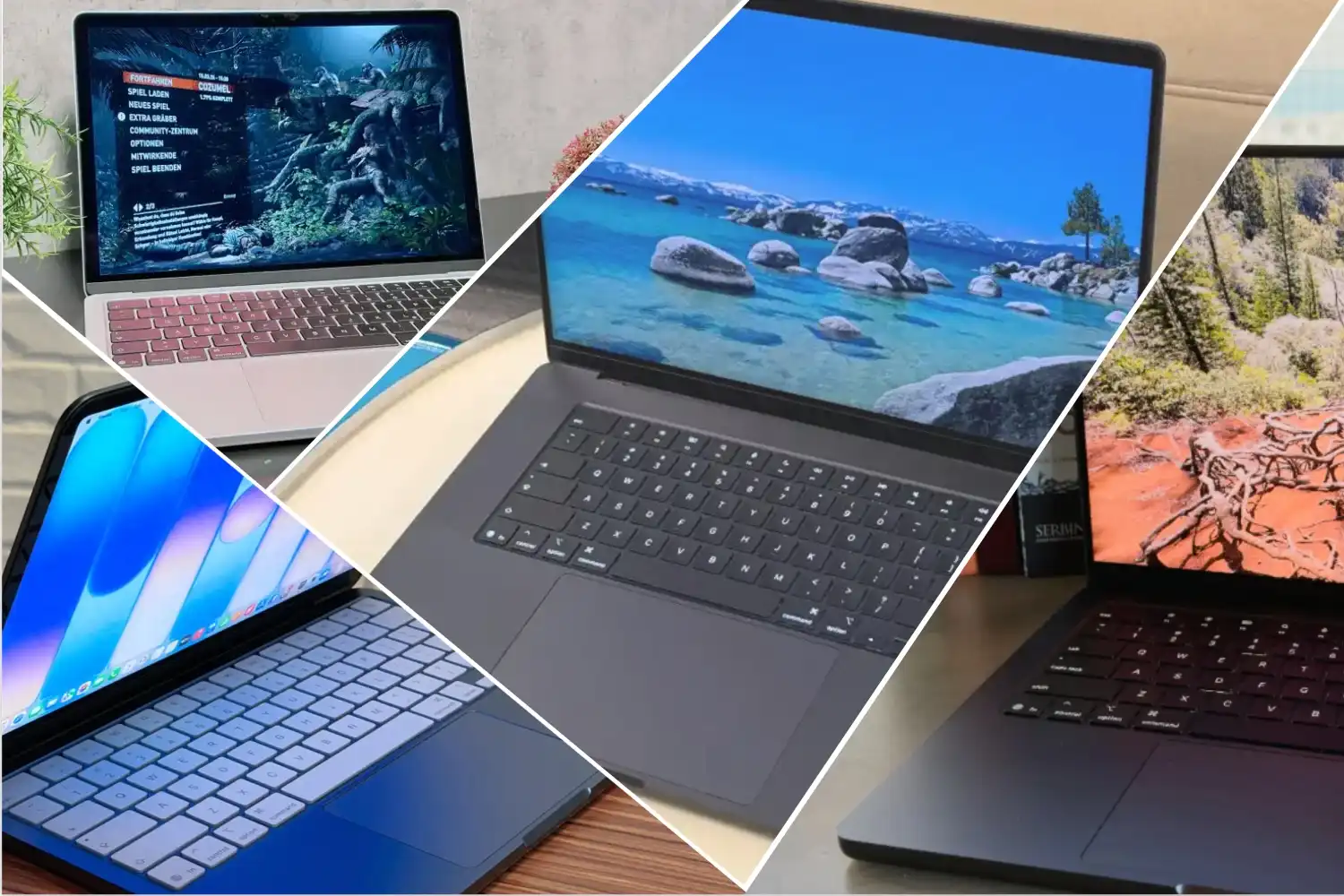
Walk into any electronics store right now and you’ll notice something: almost every new laptop is being marketed as "AI-powered." It’s not just a buzzword anymore. These machines come with dedicated neural processing units (NPUs), real-time background noise cancellation, smart battery management, and even on-device generative AI features that don’t need an internet connection.
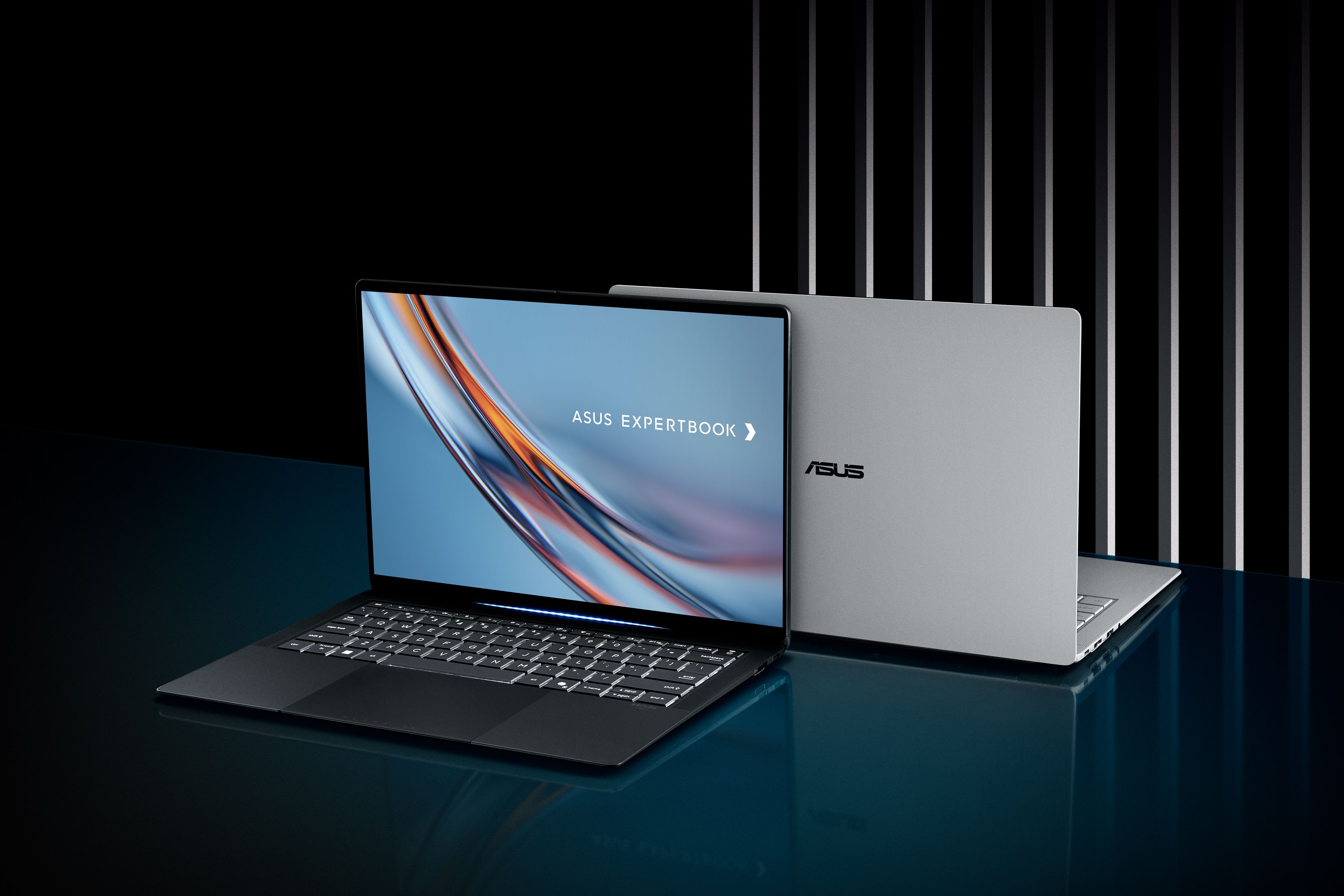
I tested models from ASUS, Acer, Dell, and Lenovo — all launched within the last few months. Each one had something genuinely useful that I didn’t expect. The ASUS ExpertBook Ultra, for example, uses its NPU to optimize video calls in real-time, adjusting lighting and framing automatically. It’s subtle, but after using it, going back to a regular webcam feels ancient.
The Acer Swift 16 AI impressed me with its giant OLED display and surprisingly efficient AI-driven performance tuning. It learns how you work and quietly shifts power between the CPU, GPU, and NPU depending on what you’re doing. The result? Better battery life without you lifting a finger.
And here’s the kicker — most of these start at prices that undercut the MacBook Air by $200 to $400.
Where Apple Still Wins
Let’s be fair. Apple hasn’t become irrelevant overnight. The MacBook Air M4 is still a phenomenal machine. The build quality is unmatched. The trackpad remains the best in the industry. And macOS continues to offer a level of polish and ecosystem integration that Windows simply can’t replicate.
If you’re already deep in the Apple ecosystem — iPhone, iPad, AirPods, Apple Watch — the MacBook still makes the most sense. Universal Clipboard, AirDrop, and Handoff are genuinely life-changing when everything just works together.
Battery life is another area where Apple holds a narrow edge. In my real-world testing, the MacBook Air M4 lasted about 11 hours of mixed use. The best Windows AI laptop I tested, the Acer Swift 16 AI, hit around 9.5 hours. That gap matters if you’re a frequent traveler or student who spends full days away from a charger.
But that’s where Apple’s clear advantages start to run out.
Where the Competition Is Catching Up — Fast
The biggest surprise during my testing wasn’t any single feature. It was how complete the Windows AI laptop experience has become. These aren’t the clunky, bloated machines of five years ago. They’re refined, fast, and genuinely smart.
Take display quality. The Acer Swift 16 AI packs a 16-inch 3K OLED panel that makes the MacBook Air’s Liquid Retina display look almost dull in comparison. Colors pop. Blacks are truly black. And the extra screen real estate is a game-changer for multitasking.
Then there’s versatility. Most new AI laptops come with multiple USB-A ports, HDMI outputs, and microSD slots — things Apple still refuses to include on the Air. If you’re someone who plugs into projectors, external monitors, or memory cards regularly, the MacBook Air forces you into dongle life. These new Windows machines just... work.
Gaming is another obvious win for Windows. While Apple has made strides with Apple Arcade and some AAA ports, the reality is simple: if you want to play modern games, you need a Windows machine. The new AI laptops with dedicated RTX GPUs handle everything from Cyberpunk 2077 to Baldur’s Gate 3 without breaking a sweat.
And perhaps most importantly, the AI features on Windows feel more open. Apple’s approach is polished but walled-off. Windows AI laptops let you choose between Copilot, third-party AI tools, and even local models you install yourself. That flexibility matters to power users.
Head-to-Head: MacBook Air M4 vs. Best Windows AI Laptops
| Feature | MacBook Air M4 | Windows AI Laptops (2026) |
|---|---|---|
| Starting Price | $1,099 | $799 – $999 |
| Battery Life | ~11 hours | ~9.5 hours |
| Display | 13.6" Liquid Retina | Up to 16" 3K OLED |
| Ports | 2x USB-C, MagSafe | USB-A, USB-C, HDMI, SD |
| AI Features | Apple Intelligence (limited) | Copilot, local AI, NPU apps |
| Gaming | Limited / Apple Arcade | Full AAA support (RTX) |
| Ecosystem | Best-in-class (Apple devices) | Broad compatibility |
| Upgradeability | None (soldered) | Some models allow RAM/SSD |
Pros & Cons at a Glance
✅ MacBook Air M4 — Pros
- Exceptional battery life and efficiency
- Premium build quality and trackpad
- Seamless Apple ecosystem integration
- Silent, fanless design
- macOS stability and polish
❌ MacBook Air M4 — Cons
- Higher starting price
- Limited port selection
- No gaming support
- Apple Intelligence still feels early
- No upgrade path
✅ Windows AI Laptops — Pros
- More affordable entry point
- Superior display options (OLED)
- Better port variety
- Real AAA gaming capability
- Flexible, open AI ecosystem
❌ Windows AI Laptops — Cons
- Slightly shorter battery life
- Build quality varies by brand
- Windows can still feel bloated
- AI features sometimes feel gimmicky
- Less polished trackpad experience
💡 Expert Tip
If you’re on the fence, here’s my honest advice: try before you buy. Apple Stores make this easy, but don’t skip visiting a Best Buy or Micro Center to spend 20 minutes with a new Windows AI laptop. The trackpad, keyboard feel, and screen quality are things you can’t fully judge from reviews.
Also, consider your actual workflow. If 90% of your work happens in a web browser, Google Docs, and Zoom, the MacBook Air is probably overkill — and overpriced. A $899 ASUS or Acer AI laptop will handle that effortlessly while saving you serious cash.
But if you’re a video editor, iOS developer, or someone who lives inside the Apple ecosystem, the MacBook Air still earns its place. Just know that the "no-brainer" factor is gone.
🙋 Frequently Asked Questions
Q: Are AI laptops actually useful, or is it just marketing?
A: It’s a mix. Features like real-time video enhancement, smart battery tuning, and background blur are genuinely helpful. But some "AI" labels are just rebranded software tricks. Look for laptops with dedicated NPUs (neural processing units) for the real deal.
Q: Can a Windows AI laptop replace my MacBook for creative work?
A: For most creators, yes. Adobe Creative Suite, DaVinci Resolve, and Blender all run beautifully on modern Windows AI laptops with dedicated GPUs. The gap has closed significantly.
Q: Is the MacBook Air still worth it in 2026?
A: Absolutely — if you value ecosystem integration, battery life, and build quality above all else. But it’s no longer the automatic choice. Shop around first.
Q: What’s the best budget AI laptop right now?
A: The Acer Swift 16 AI and ASUS Vivobook S 16 are both excellent starting points under $1,000. They offer solid performance, good displays, and genuine AI features without breaking the bank.
Q: Will Apple catch up with better AI features?
A: Apple Intelligence is improving, but Apple’s walled-garden approach means third-party AI tools are limited. Windows laptops benefit from an open ecosystem where developers can build freely.
🎥 Recommended Video
https://www.youtube.com/results?search_query=AI+laptops+2026+vs+MacBook+comparisonFinal Thoughts
Apple built its laptop empire on being the safe, premium choice. And for a long time, that strategy worked perfectly. But 2026 is the year where "safe" started to feel a little too safe.
The new wave of AI laptops from ASUS, Acer, Dell, and Lenovo isn’t just competitive — it’s exciting. Better screens, smarter software, more ports, lower prices, and genuine gaming power. These machines don’t feel like compromises anymore. They feel like real alternatives.
Does Apple have a real problem? I’d say yes — but it’s a solvable one. If the next MacBook Air brings a better display, more ports, and truly useful AI features, Apple can reclaim its crown. But right now? The throne is wobbling.
If you’re shopping for a laptop this year, do yourself a favor: look at both sides. The best machine for you might not have an Apple logo on it anymore.

No comments:
Post a Comment