
I’ve been following iPhone leaks for years. It’s part of the job, but I’ll be honest — most of the time, the excitement wears thin. Slightly better cameras, marginally faster chips, a new color that looks like last year’s color with the saturation bumped up. It’s the annual incremental dance that Apple has perfected, and after a while, you start to expect it. But the iPhone 18 Pro Max leaks that have been surfacing over the past few weeks are different. One feature in particular has me genuinely excited for the first time in a long time, and it’s not the thing I expected.
The feature? Variable aperture on the main camera. It sounds technical — maybe even boring if you’re not into photography — but it represents the biggest leap in iPhone camera hardware since Apple introduced multiple lenses. According to multiple leakers, including the well-connected Mark Gurman at Bloomberg and Digital Chat Station on Weibo, the iPhone 18 Pro models are set to receive a variable aperture system that lets users manually control how much light hits the sensor. That may not sound revolutionary, but for anyone who cares about photography, it changes almost everything about how you shoot with an iPhone.
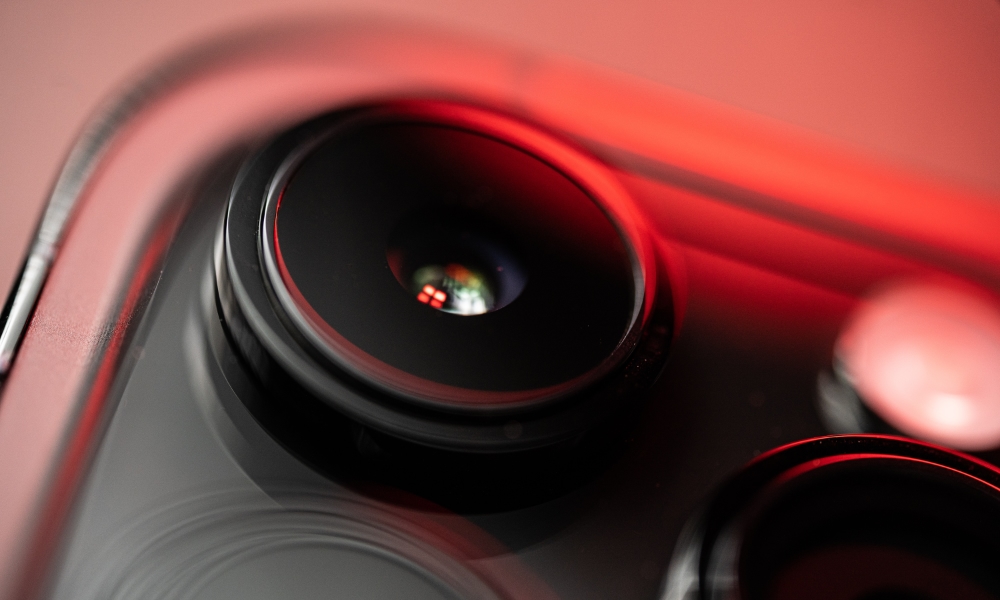
Why Variable Aperture Matters More Than Megapixels
For years, the smartphone camera race has been about megapixels. More pixels, bigger sensors, better computational photography. Apple has played that game well, but there’s a fundamental limit to what software can do when the hardware itself is locked in place. The aperture on every iPhone so far has been fixed — usually around f/1.78 on the main camera. That means the hole through which light enters the sensor is always the same size, regardless of whether you’re shooting in bright sunlight or a dimly lit restaurant.
A variable aperture changes that. By physically adjusting the size of the opening — similar to how professional DSLR and mirrorless cameras work — the iPhone 18 Pro Max will be able to let in more or less light depending on the situation. In bright conditions, a smaller aperture (higher f-number) reduces the amount of light hitting the sensor, preventing overexposure and preserving detail in highlights. In low light, a wider aperture (lower f-number) lets in more light, improving image quality without cranking the ISO and introducing noise.
But the real magic is depth of field. Portrait mode on the iPhone has always been a computational trick — software blurring the background to simulate the shallow focus that wide apertures create naturally. It works well most of the time, but it still struggles with fine details like hair, glasses frames, and translucent objects. With a variable aperture, the blur happens optically, in-camera, before any software touches the image. That means more natural bokeh, better edge detection, and portraits that look like they were shot on a dedicated camera rather than a phone.
The Leaks Are Consistent Across Multiple Sources
What makes this leak particularly credible is the consistency across independent sources. Mark Gurman, whose track record on Apple products is among the best in the industry, has reported that the iPhone 18 Pro will include “some of the biggest camera hardware upgrades in the lineup’s history.” Digital Chat Station, a prolific leaker with strong supply chain connections, specifically called out the variable aperture for the main camera. And MacRumors, which aggregates and verifies leaks, has included it in its roundup as a likely feature for the Pro models.
There’s also the competitive pressure. Samsung introduced a variable aperture on the Galaxy S9 back in 2018, though it was limited to two settings and didn’t make a huge impact. Since then, the technology has matured, and Apple rarely implements features until it can do them better than the competition. If Apple is ready to bring variable aperture to the iPhone, it suggests the system is refined enough to be genuinely useful — not just a spec-sheet bullet point.
What Else Is Coming, and Why It Supports the Camera Story
The variable aperture doesn’t exist in a vacuum. Other leaks suggest Apple is making complementary upgrades that will help the feature shine. The telephoto lens is rumored to get a wider aperture, which would improve low-light zoom performance — one of the weakest areas of current iPhone cameras. The redesigned Camera Control button, which may drop the capacitive layer in favor of pure pressure sensitivity, could make manual aperture adjustments feel more tactile and precise.
On the software side, iOS 27 is expected to introduce a more customizable Camera app with new widgets and possibly AI-powered photo editing features. Combined with variable aperture hardware, this could give users a level of creative control that iPhone photography has never offered before. Manual shooters — the people who buy third-party camera apps like Halide or ProCamera — may finally get the tools they want built directly into the stock camera.
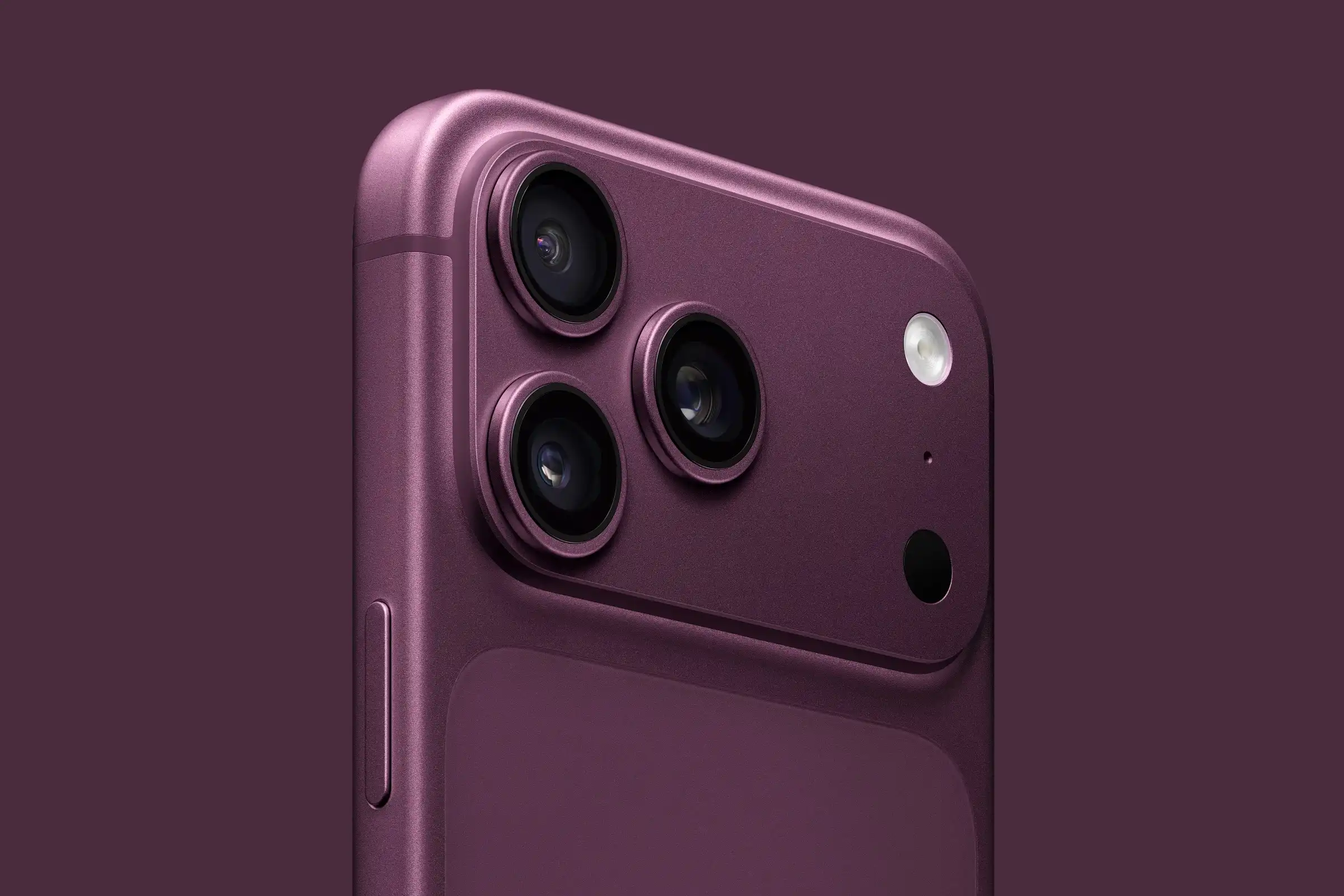
There are design changes too. The Dynamic Island is expected to shrink by about 35%, giving the iPhone 18 Pro Max more usable screen space for framing shots and reviewing images. And a new “Dark Cherry” color option — a deep burgundy-wine shade — adds a visual refresh that makes the phone feel new even before you open the camera.
Why This Feature Hits Different
I’ve written about a lot of iPhone upgrades over the years, and most of them fall into the “nice to have” category. Faster Face ID. Brighter displays. Slightly better battery life. They’re improvements, but they’re not transformative. Variable aperture feels different because it changes the fundamental nature of what the iPhone camera can do.
Right now, the iPhone is an incredible point-and-shoot device. It’s smart, it’s fast, and it produces great results with minimal effort. But it’s not a creative tool in the way a dedicated camera is. You can’t control depth of field optically. You can’t decide how much light the sensor receives. You’re essentially trusting the computer to make those decisions for you, and while it’s good at it, there’s a ceiling to how artistic those decisions can be.
Variable aperture removes that ceiling. It gives photographers — casual and serious alike — a physical control that opens up new creative possibilities. Want everything in focus for a landscape? Stop down to f/8. Want creamy background blur for a portrait? Open up to f/1.4. Want to shoot long exposures in daylight without overexposing? The aperture can help with that too. These are the kinds of decisions that separate snapshots from photographs, and for the first time, they’ll be available on an iPhone.
Pros & Cons of the iPhone 18 Pro Max Camera Upgrades
| Feature | Pros | Cons |
|---|---|---|
| Variable Aperture | Optical depth of field control, better low light, reduced overexposure | May add complexity for casual users; mechanical parts can wear |
| Wider Telephoto Aperture | Improved zoom performance in dim conditions | Battery impact from larger sensor demands |
| Redesigned Camera Control | More reliable, fewer accidental triggers | Loses capacitive gesture functionality |
| iOS 27 Camera App | More customization, widgets, possible manual controls | Learning curve for users accustomed to automatic shooting |
| Smaller Dynamic Island | More screen space for framing and reviewing photos | Purely aesthetic; no functional camera improvement |
Expert Tip
If the variable aperture rumors are true, start preparing your shooting habits now. The biggest mistake photographers make when they first get manual controls is treating them like automatic mode with extra steps. Variable aperture is a tool, not a crutch. Learn the basics of the exposure triangle — aperture, shutter speed, and ISO — before the phone launches. There are free resources and YouTube tutorials that cover this in an afternoon. When the iPhone 18 Pro Max arrives, you’ll be ready to use the feature instead of just knowing it exists. The difference between someone who owns a capable camera and someone who creates compelling images with it is almost always knowledge, not gear.
FAQ
What is variable aperture, and why is it a big deal?
Variable aperture is a mechanical system that adjusts the size of the camera lens opening to control how much light enters the sensor. It allows for optical depth-of-field effects, better exposure control, and improved low-light performance — capabilities that iPhones have previously achieved only through software.
Will the standard iPhone 18 also get variable aperture?
Current leaks suggest the variable aperture is exclusive to the iPhone 18 Pro and Pro Max models. The standard iPhone 18 and iPhone 18e are expected to retain fixed apertures to keep costs down.
Does this mean Portrait Mode will disappear?
No. Computational Portrait Mode will likely remain as an option, especially for the front camera and telephoto lens. Variable aperture adds an optical alternative for the main camera, giving users more choice in how they achieve background blur.
When will the iPhone 18 Pro Max be announced?
Apple typically holds its iPhone event in early September, with retail availability about 10 days later. The iPhone 18 Pro Max is expected to follow this timeline in 2026.
How much will the iPhone 18 Pro Max cost?
No official pricing has leaked, but cost pressures from RAM shortages and new chip manufacturing could lead to a modest increase. The starting price for the 256GB model may remain similar to the iPhone 17 Pro Max, but higher storage tiers could see a bump.
Final Thoughts
It’s easy to be cynical about annual smartphone upgrades. Most years, the changes are incremental enough that upgrading feels like a luxury rather than a necessity. But the iPhone 18 Pro Max is shaping up to be one of those rare releases where a single feature changes how you think about the device. Variable aperture isn’t just a spec bump — it’s a fundamental shift in what the iPhone camera can do, bridging the gap between computational convenience and optical creativity.
I’ve been following these leaks for weeks, sifting through the usual noise about battery sizes and color options, waiting for something that genuinely moved the needle. This is it. If Apple delivers on the variable aperture promise — and the consistency across multiple sources suggests it will — the iPhone 18 Pro Max could be the first phone in years that makes me want to upgrade for the camera alone. Not because it takes better automatic photos, but because it finally lets me take the photos I want to take.
🎥 Recommended Video
https://www.youtube.com/results?search_query=iPhone+18+Pro+Max+variable+aperture+camera+leaks

No comments:
Post a Comment