

There’s a special kind of frustration that hits when you press the power button, walk away to grab coffee, and come back to find your PC still staring at you with a spinning circle. It didn’t used to be this slow. Something changed. And the worst part? Most people just live with it, assuming that’s what aging computers do.
It’s not. A slow boot is almost always fixable — and usually without spending a dime. The trick is knowing where to look.
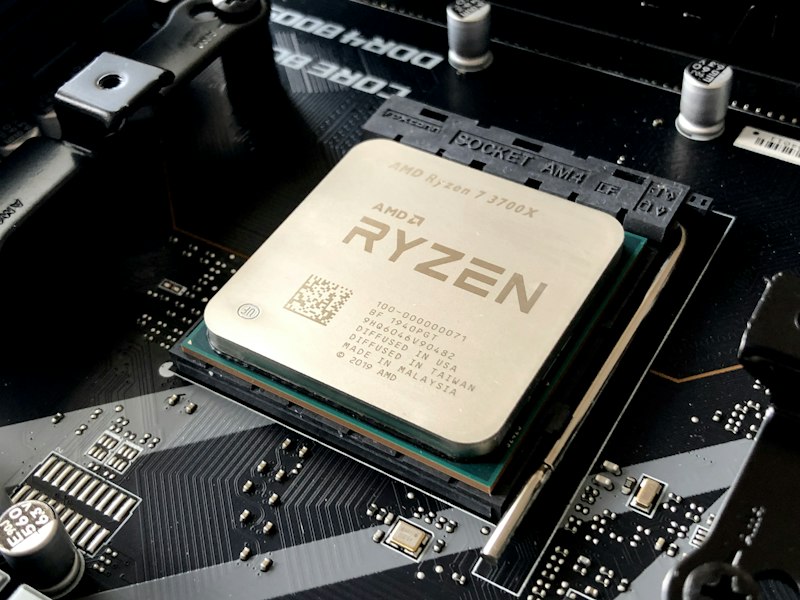
Why Your Boot Time Suddenly Got Worse
Windows PCs don’t slow down overnight for no reason. Behind the scenes, a handful of common culprits are usually stacking up like traffic at a bad intersection.
Startup Apps: The Silent Boot Killers
Every program that auto-launches at login is essentially asking your PC to multitask before it’s even finished waking up. Over time, software installers quietly add themselves to your startup queue — updaters, cloud sync tools, game launchers, printer utilities, and more. Individually, none of them are evil. Together, they can turn a 20-second boot into a two-minute slog.
The fix is straightforward. Open Task Manager (Ctrl + Shift + Esc), head to the Startup tab, and disable anything you don’t need immediately after login. If you’re unsure what something does, Google it first. But be ruthless — most of those apps will launch just fine when you actually open them later.
Storage Bottlenecks: HDDs vs. SSDs
If your PC still runs on a traditional hard disk drive (HDD), that’s likely your biggest bottleneck. HDDs rely on spinning platters and mechanical read/write heads — technology that was fine in 2010 but struggles to keep up with modern Windows. Upgrading to a solid-state drive (SSD) is the single most impactful hardware upgrade you can make.
Even with an SSD, though, you need breathing room. When your drive is packed past 85–90% capacity, Windows starts scrambling for space to write temporary files, and everything slows down. Keep at least 15–20% free on HDDs and 25–30% free on SSDs for optimal performance.
Windows Updates Gone Rogue
Sometimes the slowdown isn’t your fault at all. Microsoft has acknowledged specific bugs in recent Windows 11 updates that caused delayed shutdowns and sluggish boots. One notable issue involved the Background Intelligent Transfer Service (BITS) hanging during shutdown, which in turn bled into the next startup.
If your boot time spiked right after a Windows update, check for the latest patches. Microsoft often pushes fixes for these kinds of regressions within a few weeks.
Background Sync and Cloud Services
OneDrive, Google Drive, Dropbox — they’re incredibly useful, but they also love to sync the moment you log in. If you’ve got thousands of files queued up, that sync process can hammer your disk and network right when you’re trying to get work done. Pausing sync temporarily, or adjusting which folders sync automatically, can give your boot a noticeable boost.
Malware and Bloatware
Less common than startup bloat, but worth ruling out. Malicious software often runs hidden processes that chew through CPU and RAM. Run a full scan with Windows Security (or a reputable third-party tool) if your PC feels sluggish despite everything else looking clean.
Quick Fixes You Can Try Right Now
- Restart regularly — Sleep and hibernate are convenient, but they don’t clear RAM buildup the way a full restart does.
- Turn off Fast Startup — Counterintuitive, but Fast Startup can sometimes cause issues, especially after updates. Disable it in Power Options if you’re seeing odd boot behavior.
- Run SFC and DISM — Corrupted system files can drag boot times down. Open Command Prompt as admin and run
sfc /scannowfollowed byDISM /Online /Cleanup-Image /RestoreHealth. - Check for driver issues — Outdated or corrupt drivers, especially for storage controllers and graphics, can stall the boot sequence. Use Device Manager to spot yellow warning icons.
- Clean boot test — Use
msconfigto disable all non-Microsoft services and startup items. If boot speeds up, re-enable them one by one to find the offender.

When It’s Time to Upgrade
Sometimes software tweaks only go so far. If your PC is running on 4GB or 8GB of RAM and you regularly see 80%+ memory usage in Task Manager, adding more RAM will make a dramatic difference.
And if you’re still on an HDD? Seriously consider an SSD. It’s not hype — it’s the difference between a 45-second boot and a 12-second boot. For laptops, many manufacturers make the swap surprisingly easy. For desktops, it’s often as simple as plugging in a SATA cable.
Pros & Cons
| Approach | Pros | Cons |
|---|---|---|
| Disable startup apps | Free, instant results, reversible | May delay some app launches later |
| Upgrade to SSD | Dramatic speed boost, longer drive life | Costs money, may require reinstall |
| Add more RAM | Better multitasking, smoother overall | Pricey right now, compatibility checks needed |
| Clean boot / reinstall | Fixes deep software issues | Time-consuming, may lose app settings |
| Windows updates | Fixes known bugs automatically | Occasionally introduces new problems |
Expert Tip
Don’t just disable startup apps blindly — audit them with Sysinternals Autoruns. It reveals far more auto-start locations than Task Manager ever shows, including hidden registry entries and Explorer add-ons. Disable rather than delete, so you can undo changes safely.
FAQ
Why did my PC boot fast before but slow now?
Usually it’s accumulated startup apps, a recent Windows update with a bug, or your drive filling up. Software tends to add background services over time without asking.
Is Fast Startup good or bad?
It’s a mixed bag. It can speed up boot times by hibernating the kernel, but it also prevents a true fresh start and can cause issues after updates. If you’re troubleshooting, turn it off.
How do I know if I need more RAM?
Open Task Manager, go to the Performance tab, and check RAM usage. If it’s consistently above 80%, you’re bottlenecked.
Can a virus really slow down boot time?
Yes, though it’s less common than bloat. Malware often runs hidden processes at startup. A full system scan is worth doing if nothing else explains the slowdown.
Should I reinstall Windows?
It’s the nuclear option, but it works. Use “Reset this PC” with “Keep my files” to refresh Windows without losing personal data. Many users report this as the final fix when everything else fails.
Final Thoughts
A slow boot isn’t a death sentence for your PC — it’s a signal. Something’s fighting for resources before you’ve even had a chance to open Chrome. The good news? Most of the fixes are free, fast, and don’t require a computer science degree. Start with your startup apps, check your storage health, and rule out recent Windows bugs. And if your machine is still crawling after all that, an SSD upgrade will feel like you bought a new computer.
Your time is worth more than a two-minute boot sequence. Fix it once, and you’ll wonder why you waited so long.
🎥 Recommended Video
https://www.youtube.com/results?search_query=fix+slow+pc+boot+windows+11


No comments:
Post a Comment