
You type a question into Google, hit Enter, and expect the familiar list of blue links. Instead, a boxed paragraph appears at the top of the page, written in complete sentences, summarizing an answer you never clicked. You didn't ask for this. Nobody held a press conference announcing it. But the way billions of people find information online is shifting, and the companies driving that shift aren't exactly shouting about it from the rooftops.
Big Tech has decided that search isn't just a directory anymore. It's becoming a conversation. Google, Microsoft, Apple, and a wave of AI-native startups are rebuilding the search experience from the ground up. The changes are subtle enough that casual users might not notice them day to day. But over the next few years, these quiet adjustments will reshape how we discover information, how websites get traffic, and who controls the answers we trust.
Google's AI Overviews Are Just the Beginning
Google's AI Overviews, formerly known as the Search Generative Experience, started as an experiment. Now they're a standard feature for millions of users in the United States and expanding globally. When you search for something like "best running shoes for flat feet" or "how to fix a leaky faucet," Google doesn't just show you links. It generates a summary using AI, pulling snippets from multiple sources into a single block of text.
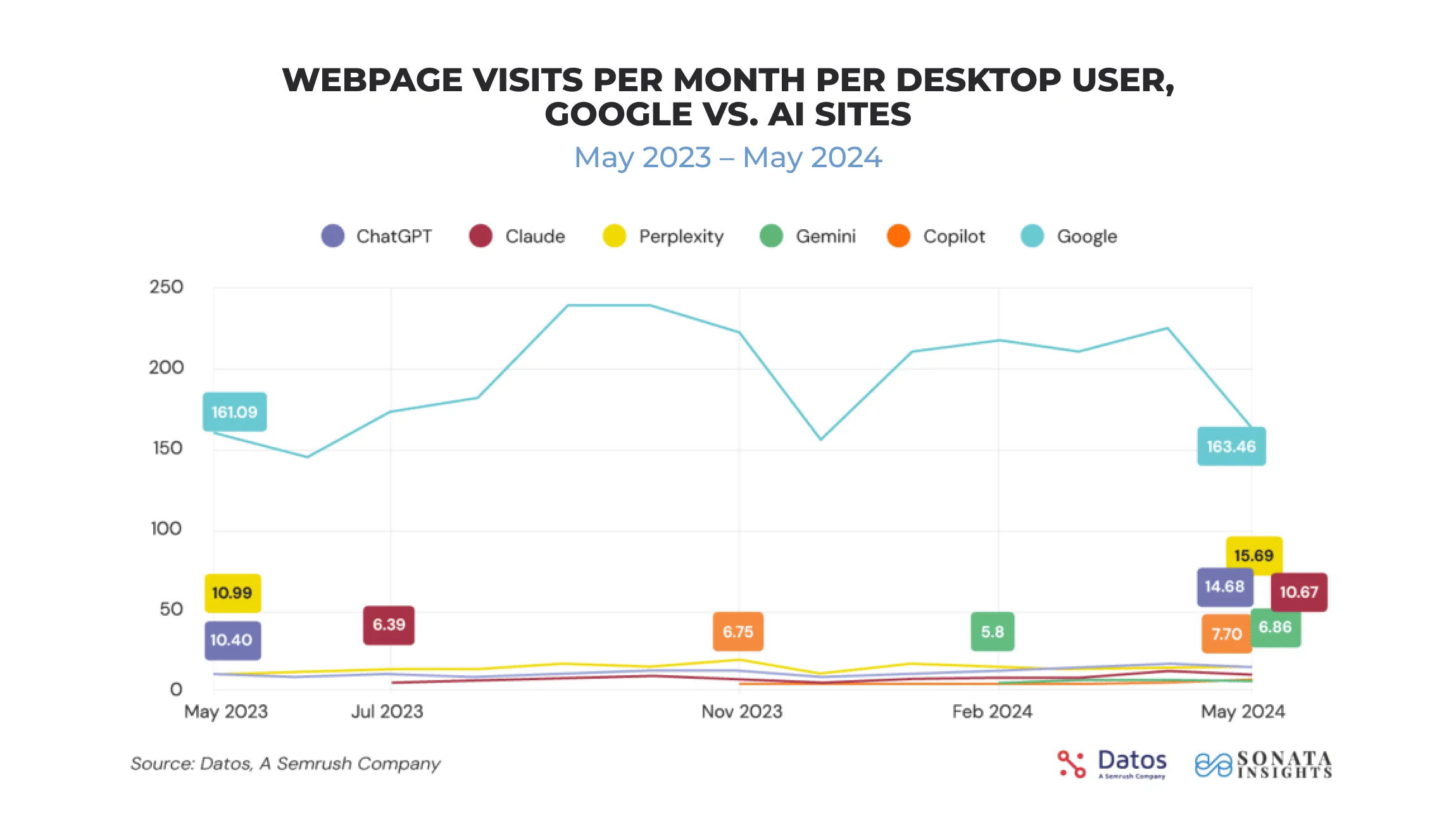
On the surface, this feels helpful. You get an answer faster. But underneath, the economics of the web are trembling. If users stop clicking through to the actual websites that produced the information, those sites lose traffic. Less traffic means less ad revenue. Less revenue means fewer journalists, bloggers, and researchers producing the very content Google's AI is summarizing. It's a feedback loop that could slowly hollow out the information ecosystem AI depends on.
Google insists this increases engagement, claiming users explore more diverse sources after reading an overview. Independent data tells a different story. Click-through rates for top-ranking informational keywords have dropped significantly since AI Overviews rolled out at scale. The first page of Google is no longer a gateway. It's becoming a destination.
Microsoft Is Betting the House on Copilot
While Google tiptoes into AI search, Microsoft is sprinting. Bing has been integrated with Copilot for over a year, and the experience is increasingly seamless. You can ask Bing complex, multi-step questions and get synthesized answers with cited sources. The interface blurs the line between search engine and chatbot so thoroughly that the distinction barely matters anymore.
Microsoft's advantage is distribution. Copilot is baked into Edge, Windows, Office, and even LinkedIn. For hundreds of millions of users, AI-assisted search isn't a separate product. It's the default. You don't need to visit a special website or learn a new tool. You just type where you always typed, and the AI answers back.
This aggressive integration has pushed Google to move faster than it probably wanted to. The search giant spent years cautiously testing AI features behind closed doors. Microsoft's public rollout forced Google's hand, turning an internal research project into a consumer-facing product almost overnight.
Apple Is Playing the Long Game
Apple hasn't launched a search engine, and it probably never will. But that doesn't mean it's sitting this out. The company has been steadily improving Spotlight search across iOS, iPadOS, and macOS. Siri gets smarter with every update. And with Apple Intelligence rolling out across devices, the company is building a layer of AI that sits between you and the traditional web.
When you ask your iPhone a question, Apple can now pull answers from multiple apps and web sources without ever opening Safari. That behavior chips away at Google's dominance in a way no rival search engine could. Apple doesn't need to beat Google at search. It just needs to make searching the web less necessary.
The Rise of AI-Native Search Engines
Perplexity, You.com, and other AI-first search tools are carving out loyal user bases by offering something Google and Bing can't: transparency. These engines show you exactly which sources contributed to an answer, let you ask follow-up questions naturally, and avoid the ad-heavy clutter of traditional results pages.
Perplexity in particular has become a favorite among researchers, students, and journalists who need quick, cited summaries. It won't dethrone Google anytime soon, but it's proof that a meaningful slice of users is hungry for a different kind of search experience. One that's less about ranking pages and more about understanding intent.
Traditional Search vs. AI-Powered Search
| Feature | Traditional Search | AI-Powered Search |
|---|---|---|
| Result Format | List of ranked links | Synthesized summary + links |
| Speed to Answer | Requires clicking and reading | Instant paragraph response |
| Source Transparency | Clear URL attribution | Often blended or summarized |
| Follow-up Questions | New search query needed | Conversational continuation |
| Ad Integration | Text ads above results | Sponsored answers embedded |
| Accuracy Risk | User verifies source | AI hallucination possible |
Pros and Cons of the AI Search Shift
Pros: Users get faster answers without digging through multiple pages. Complex questions that once required three or four searches can now be resolved in one query. Voice and conversational interfaces feel more natural. And for accessibility, AI summaries can simplify dense content for users with cognitive or visual challenges.
Cons: Publishers are seeing traffic decline as users get answers without visiting source sites. AI summaries occasionally hallucinate or misrepresent information, and the blame lands on the cited website, not the algorithm. The search experience is becoming more opaque, with users trusting a black box instead of evaluating sources themselves. And as ads get woven into AI responses, the line between organic information and sponsored content gets dangerously thin.
Expert Tip
Here's what most people miss: AI search isn't replacing traditional search. It's layering on top of it. If you want the best of both worlds, learn to read the AI summary for context, then click the source links it provides. Those links are usually the highest-quality results the engine could find. By clicking through, you verify accuracy, support the creators who did the actual research, and train yourself to think critically rather than outsourcing your judgment to a paragraph written by a model.
Frequently Asked Questions
Will AI Overviews kill SEO?
No, but it's changing what SEO means. Ranking first still matters, but the goal is shifting from getting clicks to getting cited in AI summaries. Content that is clear, well-structured, and authoritative is more likely to be pulled into overviews.
Are AI search results accurate?
Usually, but not always. AI models can hallucinate facts, misattribute quotes, or blend outdated information with current data. Always verify critical information against the original source links.
Can I turn off AI Overviews in Google?
Not entirely. Google doesn't offer a simple toggle to disable them globally. Some users have resorted to browser extensions or alternative search filters, but for most people, AI summaries are now part of the standard experience.
Is Bing with Copilot better than Google?
For conversational queries and research tasks, many users find Copilot more helpful. For local searches, shopping, and quick lookups, Google still holds an edge. The best choice depends on what you're trying to accomplish.
What happens to small websites if nobody clicks links?
That's the existential question. If traffic from search collapses, smaller publishers may shift to newsletters, social media, or direct subscriptions. The web could become more siloed, with content living inside apps and platforms rather than open websites.
Final Thoughts
The search bar has been the front door to the internet for over two decades. Now that door is being rebuilt, and not everyone was invited to the design meeting. Google, Microsoft, and Apple are making decisions that will affect how billions of people learn, shop, and form opinions. The shift is happening quietly, feature by feature, update by update, until one day you'll realize you haven't clicked a traditional search result in weeks.
That future isn't inherently bad. AI search can be faster, smarter, and more accessible. But it also concentrates power in the hands of a few companies that control both the question and the answer. The best thing you can do as a user is stay aware. Click the sources. Question the summaries. And remember that behind every AI-generated paragraph, there's a human who did the original work. Don't let the convenience make you forget that.
Recommended Video
🎥 Watch analysis on how AI is changing search and Big Tech's role

No comments:
Post a Comment